
Best Picture Books for Bedtime Routine
- Edward Daniels
- 6 days ago
- 6 min read

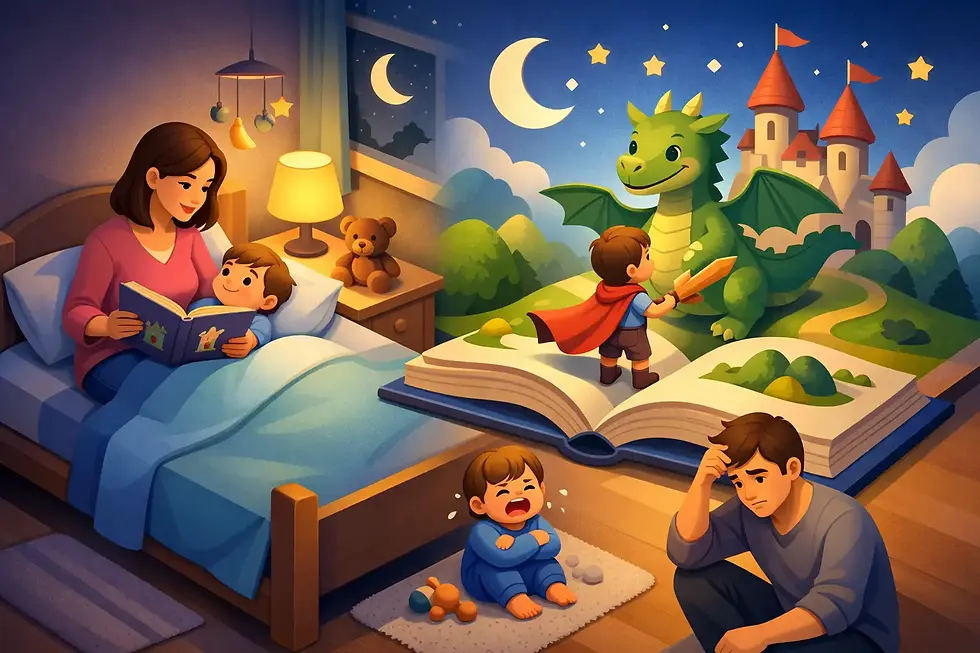
Some nights, bedtime feels like one more mountain to climb. Your child is tired but suddenly very busy, very thirsty, and definitely not ready to sleep. That is exactly where the right picture books for bedtime routine can help - not by adding more excitement, but by giving the evening a softer landing.
A bedtime book does more than fill ten minutes before lights out. It sets the tone for the whole transition from play to rest. For preschoolers and early elementary kids, that shift matters. Their bodies may be slowing down, but their minds are often still racing. A calm, cozy story gives them something predictable to hold onto.
Why picture books for bedtime routine work so well
Young children respond to patterns. When the same steps happen in the same order - pajamas, brushing teeth, one favorite story, goodnight hug - bedtime starts to feel safe instead of negotiable. Books fit beautifully into that rhythm because they create closeness and structure at the same time.
The best picture books for bedtime routine also help lower the emotional temperature of the room. A gentle read-aloud voice, familiar page turns, and soothing illustrations tell your child that the busy part of the day is over. Even children who resist bedtime often relax when they know what comes next.
That said, not every picture book belongs at bedtime. Some are funny but too silly. Some are beautiful but too long. Some have bright, fast-moving energy that works wonderfully at storytime and not so wonderfully at 7:45 p.m. Bedtime books have a different job.
What to look for in bedtime picture books
The most helpful bedtime stories usually have a calm pace. The plot does not need to be dramatic. In fact, lower stakes are often better at night. A story about getting tucked in, saying goodnight, driving home, settling into sleep, or ending the day can gently guide a child in the same direction.
Language matters too. Repetition, soft sounds, and simple sentence patterns are easier for sleepy kids to follow. When a book has a gentle rhythm, children tend to settle into listening instead of interrupting every few seconds to ask what happens next.
Illustrations should feel restful rather than loud. Warm colors, nighttime scenes, and uncluttered pages can support that cozy feeling. This does not mean every bedtime book needs to be quiet in a boring way. It just means the overall experience should help your child exhale.
Length is another practical detail parents learn quickly. On a good night, you may have time for two or three books. On a harder night, one short, soothing story may be all that works. A bedtime book should feel manageable when everyone is tired.
The qualities that make a bedtime story easier to repeat
Parents usually know after one reading whether a book can stay in the nightly rotation. A strong bedtime book is pleasant on the tenth read, not just the first. That matters because children often want the same story again and again.
Repeat-read appeal comes from a few simple things. The story feels comforting, not overstimulating. The words sound good out loud. The ending brings a sense of rest. And the child begins to connect the book with the familiar comfort of being tucked in.
This is where themed bedtime books can be especially useful. Children often settle more easily when the subject matches something they already love. Trucks, animals, trains, construction vehicles, and other favorite interests can make bedtime stories feel inviting instead of like a chore. A child who resists sleep may still happily snuggle up for a story about something comforting and familiar.
Choosing picture books for bedtime routine by age
A three-year-old usually does best with shorter stories, clearer repetition, and pictures that carry much of the meaning. At this age, bedtime reading is less about following a complex plot and more about feeling calm, close, and secure.
By four and five, many children enjoy a little more story, as long as the tone stays gentle. They like noticing details in the art and anticipating favorite lines. A good bedtime book for this age can still be imaginative, but it should not leave them wound up or full of big unresolved questions right before sleep.
Early elementary kids may be ready for longer read-alouds, but many still benefit from picture books at bedtime. In fact, even children who are learning to read on their own often find comfort in being read to at the end of the day. The emotional purpose of bedtime reading does not disappear once a child recognizes words on the page.
How to build a simple 10-minute reading routine
If bedtime has been feeling unpredictable, the answer is not always a more complicated routine. Often, simpler works better. A short, consistent reading rhythm can make evenings easier because your child knows exactly what to expect.
Start the wind-down before the book begins. Lower the lights, put away noisy toys, and move through the same basic steps each night. Then choose one or two picture books for bedtime routine that signal calm. Read them in a soft, steady voice without rushing.
It helps to keep a small bedtime basket nearby with a few trusted favorites. Too many choices can turn into another delay tactic. A short selection gives children some control while keeping the routine on track.
You may also notice that one book works better than another depending on the night. If your child is already overtired, a very short and familiar story may be best. If they need a little more connection after a busy day, a slightly longer cozy read can help them settle.
When a bedtime book is too stimulating
Sometimes a book seems perfect in theory, but it changes the mood in the wrong direction. If your child starts laughing wildly, asking for dramatic re-enactments, or getting more alert as the story goes on, the book may simply be better for daytime.
That does not mean it is a bad book. It just means bedtime asks for something different. Parents often feel pressure to make every beloved title fit the nighttime routine, but it is perfectly fine to separate exciting books from calming books.
A helpful question is this: how does your child seem at the last page? If they are quieter, cuddlier, and more ready for bed, the book is doing its job. If they are energized and bargaining for three more stories, save that title for earlier in the day.
A gentle concept can make bedtime easier
Children often relax more quickly when a story meets them in a familiar world and gently guides them toward rest. That is why bedtime-themed vehicle books, animal goodnight books, and soft nighttime adventures tend to work so well. They offer enough imagination to feel special, without pulling kids into a big, buzzy adventure right before sleep.
A calm, cozy nighttime story like Where Do The Food Trucks Sleep? can be especially appealing for little ones who love vehicles but need help winding down. Instead of pushing the energy higher, it takes a child-friendly interest and turns it into a soothing read-aloud moment. For many families, that combination is what makes a book feel magical and practical at the same time.
Making bedtime feel like connection, not correction
Children do not always resist bedtime because they are trying to be difficult. Often, they are having trouble with the transition itself. A warm reading routine can shift the mood from correction and reminders to closeness and reassurance.
That change matters for parents too. When the final minutes of the day feel calmer, bedtime becomes less of a battle and more of a rhythm. You are not trying to force sleep. You are creating the conditions that make sleep easier to welcome.
The best picture books for bedtime routine support that feeling night after night. They help children slow down, feel safe, and look forward to this small pocket of connection before sleep. And sometimes, that steady little ritual is what turns a hard bedtime into a gentler one.
If you are choosing your next bedtime book, look for the one that helps your child’s shoulders drop, their voice soften, and the room grow a little quieter. That is usually the story worth keeping by the bedside.


Comments